




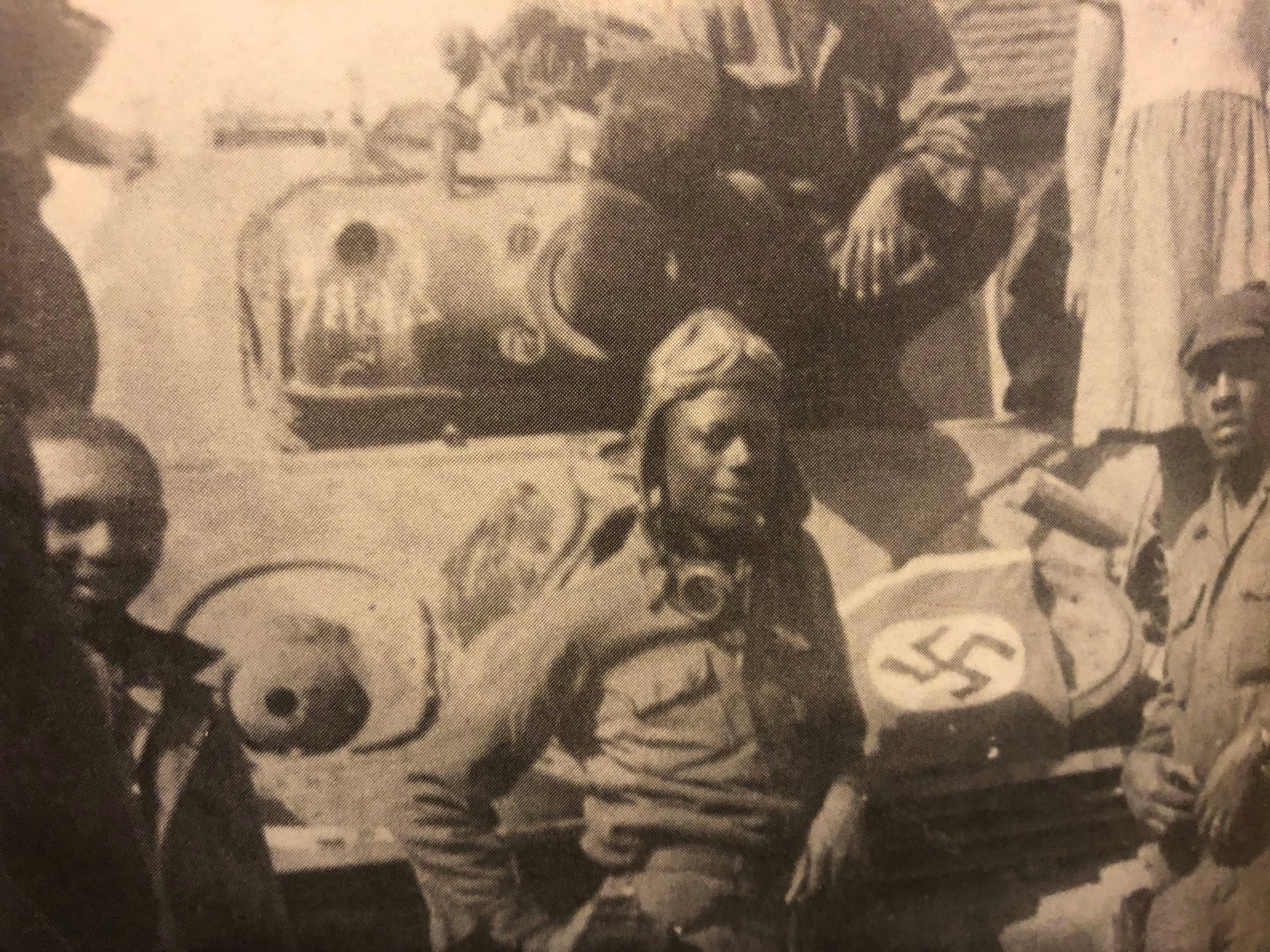
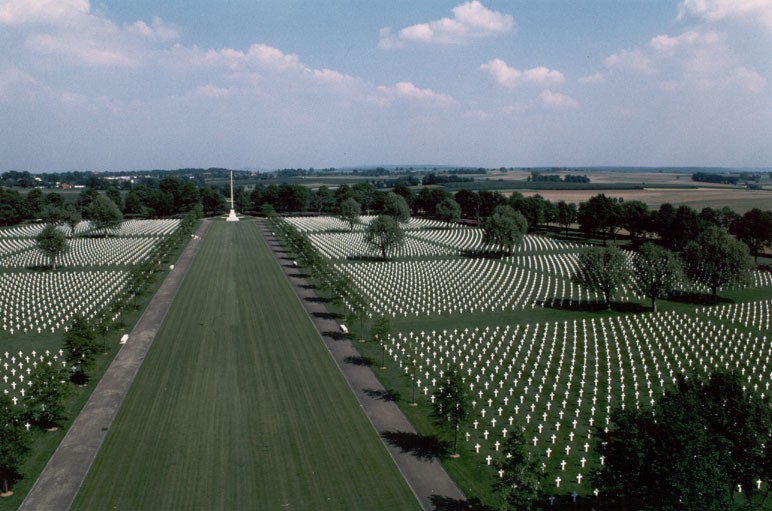
In the serene fields of Margraten, the Netherlands, lies one of the most moving symbols of American sacrifice abroad — the Netherlands American Cemetery, final resting place for more than 8,000 U.S. soldiers who died in Europe during World War II.

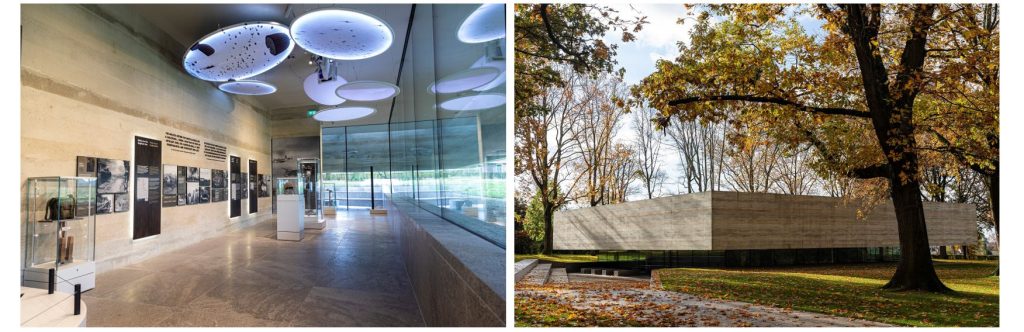
Among them are over 170 Black American soldiers who served their country at a time when the U.S. military itself was segregated. Until recently, two interpretive displays in the cemetery’s visitor center told their stories — until they were quietly removed in 2025, sparking outrage, confusion, and a growing international debate.
A Memorial Site With Deep Meaning
The Netherlands American Cemetery is not just a place of mourning — it’s a living memorial. Each of its graves has been “adopted” by local Dutch families who visit, lay flowers, and maintain a connection between the Netherlands and the United States.
Installed in 2024, the displays about Black troops were part of an effort by the American Battle Monuments Commission (ABMC) to highlight untold stories from the war. They included panels about George H. Pruitt, a soldier who died while saving a comrade, and about Jefferson Wiggins, a member of the 960th Quartermaster Service Company, which helped bury the dead and construct the cemetery during and after combat.
For many, these exhibits finally recognized the dual struggle faced by Black soldiers — fighting for freedom abroad while denied equality at home.
What the Displays Represented
The two panels at Margraten were more than historical footnotes. They represented acknowledgment, dignity, and truth.
- “A Double Victory” — This display explained how Black troops fought both fascism overseas and racism within the ranks. It contextualized segregation and the limited roles Black soldiers were given during WWII.
- “The Story of George H. Pruitt” — This panel honored a heroic Black signalman who gave his life to save another soldier, symbolizing courage and sacrifice beyond racial barriers.
Visitors described these displays as among the most powerful in the museum, especially for students and American tourists learning about racial segregation during the war.
The Quiet Removal and Public Outcry
In 2025, visitors and local journalists discovered the panels had been removed from the visitor center. The ABMC confirmed that one was “off display, though not out of rotation,” and the other had been “retired.”
No public announcement was made in advance, and the reasoning — that exhibits are routinely rotated — failed to satisfy many observers.
Local officials, including the mayor of Eijsden-Margraten and members of the Limburg provincial government, criticized the decision. Families of the soldiers featured in the displays were also devastated.
“These are men who gave everything for a country that didn’t give them equality,” said Janice Wiggins, widow of Lt. Jefferson Wiggins. “Removing their stories feels like erasing their sacrifice.”
Dutch officials released a statement calling the removal “improper and unacceptable,” urging the U.S. to reinstate the displays permanently.
Historical Context: Black Soldiers in World War II
During World War II, approximately 1.2 million African Americans served in the U.S. military. Most were restricted to support roles, such as engineers, stevedores, and quartermasters. Units like the Tuskegee Airmen, the 761st Tank Battalion, and the 6888th Central Postal Directory Battalion challenged racial barriers and changed perceptions of Black military excellence.
The 960th Quartermaster Service Company — whose members helped establish Margraten Cemetery — played a critical, though often overlooked, role in honoring the fallen. Their work symbolized dignity amid discrimination.
To many historians, the removed displays were an important step toward acknowledging that legacy on international soil.
Why the Removal Matters
The controversy over the Margraten displays touches on several key themes:
1. Representation in Historical Memory
Removing stories of Black soldiers risks repeating a long pattern of erasure. Including these narratives helps ensure World War II is remembered in its full human complexity.
2. Transparency and Accountability
Critics argue the ABMC’s decision lacked transparency. Because the cemetery is an official U.S. site, it reflects how the United States chooses to represent its history abroad.
3. The Power of International Remembrance
The Margraten cemetery has always symbolized international friendship. Dutch citizens have adopted graves since 1945. The removal of inclusive exhibits threatens to strain that relationship and diminish the shared commitment to truth.
4. Lessons for the Present
As the U.S. continues to debate diversity, equity, and inclusion, decisions like this one become symbolic. They show how narratives of race and patriotism remain intertwined — not just in classrooms, but in cemeteries and museums too.
Voices of Protest and Hope
Dutch newspapers, American veterans’ groups, and civil rights organizations have all called for the panels’ reinstatement. Online petitions and letters to Congress are circulating, demanding transparency from the ABMC.
Historians warn that this is not just a local issue. As one Dutch academic noted:
“When these stories vanish, it is not only an affront to those soldiers — it’s an affront to truth itself.”
There are signs of progress. Talks are reportedly underway between U.S. and Dutch officials about either restoring the displays or installing a permanent memorial dedicated to Black American soldiers in Margraten.
The Bigger Picture: Remembering All Who Served
This controversy invites us to ask difficult but necessary questions:
- Who decides which histories deserve to be told?
- What responsibility do nations have to represent their full history, even the uncomfortable parts?
- How can remembrance be both honest and unifying?
Black Americans fought and died for freedoms they were denied at home. Honoring them in places like Margraten is not only about race — it’s about respect, accuracy, and justice.
Conclusion: Preserving the Whole Story
The removal of displays honoring Black American soldiers at the Netherlands American Cemetery is more than a curatorial decision — it’s a reminder of how fragile public memory can be.
Whether through reinstating the panels, building new monuments, or amplifying the stories through digital media, the responsibility to remember fully and truthfully remains.
As visitors walk among the rows of white marble crosses in Margraten, they see unity in death — but the stories behind those markers deserve to be told in life, too.