




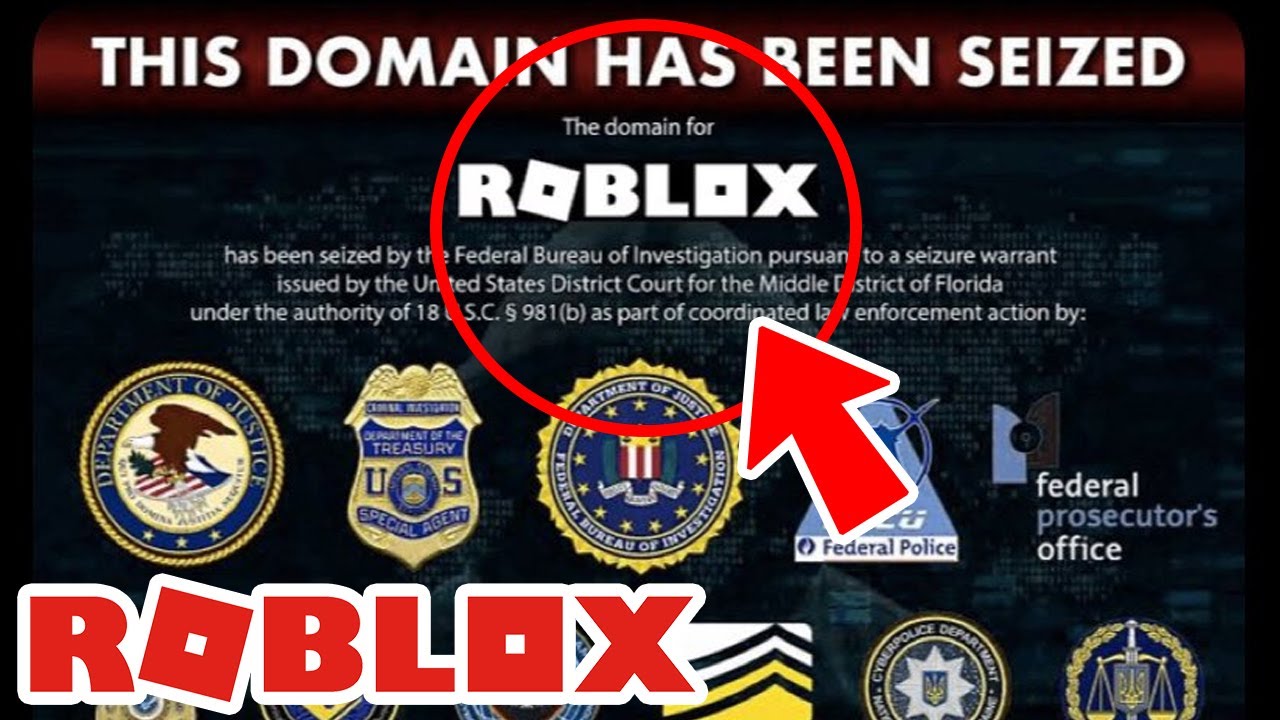

On November 4, 2025, a major legal development underscored growing accountability for major online platforms when a California judge refused to force a confidential arbitration of a high-profile plaintiff’s case against Roblox Corporation. ABC News+2ABC7 Chicago+2 That decision is already being treated as a landmark — not only for the company itself, but also for what it could mean for other companies and for families impacted by online abuse and exploitation on gaming platforms.
What happened?
In the case before the San Mateo County Superior Court, a father alleged his under-age son was exploited after interacting on Roblox. The company had sought to require that the dispute be resolved via private arbitration under its user terms, but the judge denied that request — meaning the case will proceed in public court. ABC7 Chicago+1
That may sound procedural, but it matters: companies like Roblox often rely on arbitration clauses to keep dispute resolution confidential, limiting publicity and precedent-setting. By blocking that move, the judge has made it easier for future claims to go public and potentially set legal precedent. ABC News+1
Why this is significant for Roblox & other platforms
Several key implications emerge:
-
Reduced barrier to public lawsuits. The ruling means that victims (or their families) may avoid being forced into company-controlled arbitration and instead can bring public claims. That increases visibility, legal risk and potential for precedent-setting judgments.
-
Pressure on moderation and safety practices. Roblox is already facing dozens of lawsuits and state-level investigations for alleged failures to protect minors. Laredo Morning Times+1 A public case may shine light on its policies, practices and any gaps therein.
-
Platform liability under scrutiny. While many platforms claim “safe environment” or robust controls, this ruling suggests courts may allow questions of negligence, design and moderation to be tested in public forums.
-
Industry-wide ripple effect. If Roblox is required to defend in public court and potentially face damages or remedy obligations, other platforms popular with children may face similar pressures.
The broader backdrop: Roblox, children & safety
Roblox is one of the most widely used online gaming and creation platforms globally. Yet it has increasingly been subject to criticism for the ease with which minors can be exposed to sexual predation, grooming, or explicit content while using the platform. King Law+2Laredo Morning Times+2
Key concerns include:
-
The large number of users under age 13, making the platform particularly youth-centric. King Law+1
-
Allegations that some interactive “experiences” or games on the platform have allowed, or not sufficiently blocked, adult-child contact or grooming transitions to off-platform apps like Discord or Snapchat. King Law+1
-
Claims by state attorneys general (e.g., Texas, Kentucky, Louisiana) that Roblox has insufficient age-verification, content moderation or safety controls. Laredo Morning Times+1
What the ruling means for parents, developers and the industry
For parents and guardians
If you have children using Roblox (or similar platforms), this ruling is a reminder that “just because it’s marketed as safe for kids” does not guarantee risk-free. Consider steps such as:
-
Enabling parental controls: restricting chat, limiting friend access, setting age-appropriate settings.
-
Monitoring which “experiences” or games the child is playing and reading reviews or community reports about them.
-
Teaching children about online safety: recognising grooming behaviours, not moving to other apps without permission, never sharing personal info.
For developers and Roblox itself
-
Roblox may face increased costs associated with litigation, settlement risk or required changes to its platform architecture, safety monitoring or user-terms.
-
A public lawsuit may push Roblox to accelerate changes already underway (or to announce them publicly), for example improved age verification, stronger moderation, stricter access to social features for under-13 users. Some of these moves were already reported. The Verge
-
For the community of game-creators inside Roblox, increased scrutiny may change how experiences are designed, moderated and certified for age groups.
For the gaming / social platform industry
-
This ruling may embolden other claimants and families to pursue public lawsuits rather than accept arbitration.
-
Platforms with large child-user bases may face regulatory and legal urgency to review safety features, age-gating, user-behavior monitoring and third-party linking (to apps like Discord).
-
Legislators, regulators and attorneys general may lean harder on enforcement and oversight of “metaverse”-style platforms or games with heavy youth participation.
What’s next — the immediate and longer-term outlook
In the immediate term:
-
Roblox will likely face further legal filings and public scrutiny. Already states like Texas have sued, alleging the company exposed children to sexually explicit content. Laredo Morning Times
-
We can expect at least one major public lawsuit against Roblox to move forward (rather than being hidden behind arbitration) and potentially set a legal precedent around platform liability for online grooming or exploitation.
-
Public and media attention will intensify around how Roblox monitors “experiences”, chat, friend connections and transitions to off‐platform apps.
In the longer term:
-
If courts start holding platforms like Roblox liable for failing to prevent grooming or exploitation, the business model for youth-facing online games may shift. Providers may need to invest more heavily in real-time moderation, AI safety systems, human review, age verification and legal compliance.
-
Regulatory bodies may update or impose laws about minimum safety standards for platforms with children as users (for example requiring minimum moderation staffing, transparency about moderation actions, clarity in user agreements).
-
The perception of Roblox among parents and consumers may erode — which could affect growth, monetization, and user trust. That could push Roblox and similar platforms toward proactive reforms.
Final takeaway
The recent ruling against Roblox — in which a California court declined to force private arbitration of a case involving alleged exploitation of a minor on the platform — marks a turning point. It shifts the balance toward public accountability, places greater legal risk on youth-facing platforms, and underscores how seriously courts are treating child-safety concerns in online environments. For parents, developers and platforms, it signals that game-and-social spaces for kids cannot rely solely on user agreements or fine print — technology, design and oversight must all align to protect minors.
As Roblox and the industry respond, we’ll be watching not just the legal outcomes, but also how the experience of kids and families using these platforms may change.