




When I was diagnosed with epididymitis, it came as both a surprise and a challenge. The condition, which involves inflammation of the epididymis—the coiled tube behind the testicle that stores sperm—can cause intense pain, swelling, and tenderness. The discomfort made daily activities difficult, and I knew I needed a comprehensive approach to recovery.
While I followed my doctor’s medical advice carefully, I also wanted to explore ways to support my body naturally. That journey led me to combine vitamin C therapy, including high-dose and IV vitamin C, with intermittent fasting and an anti-inflammatory diet rich in healing foods.
This is my personal experience—what worked for me may not work for everyone—but I hope it inspires others to explore holistic support strategies while working closely with their healthcare providers.
Understanding Epididymitis and the Role of Inflammation
Epididymitis is commonly caused by bacterial or viral infections, and in many cases, antibiotics or antiviral medications are prescribed. However, even after initial treatment, lingering inflammation can continue to cause pain and swelling.
Inflammation is part of the body’s natural defense system, but when it becomes excessive, it can delay healing. My goal was to reduce inflammation naturally while still following medical treatment.
That’s when I began researching nutritional support—specifically, how vitamin C and anti-inflammatory foods might help reduce oxidative stress and promote tissue recovery.
Discovering Vitamin C as a Supportive Therapy
I’ve long known about vitamin C’s immune-boosting benefits, but during my recovery, I began learning about its antioxidant and anti-inflammatory potential in higher doses. Vitamin C supports tissue repair, collagen formation, and immune defense—all crucial for recovery from inflammation-related conditions like epididymitis.
After discussing it with a doctor familiar with nutritional medicine, I decided to incorporate vitamin C in two forms: liposomal vitamin C and IV vitamin C.
Liposomal Vitamin C
Liposomal vitamin C is encapsulated in fat-based liposomes that enhance absorption and deliver more of the nutrient directly to cells. I started taking it daily, gradually increasing my dosage under supervision. Over the following weeks, I noticed a reduction in soreness and swelling and an overall increase in my energy levels.
IV Vitamin C
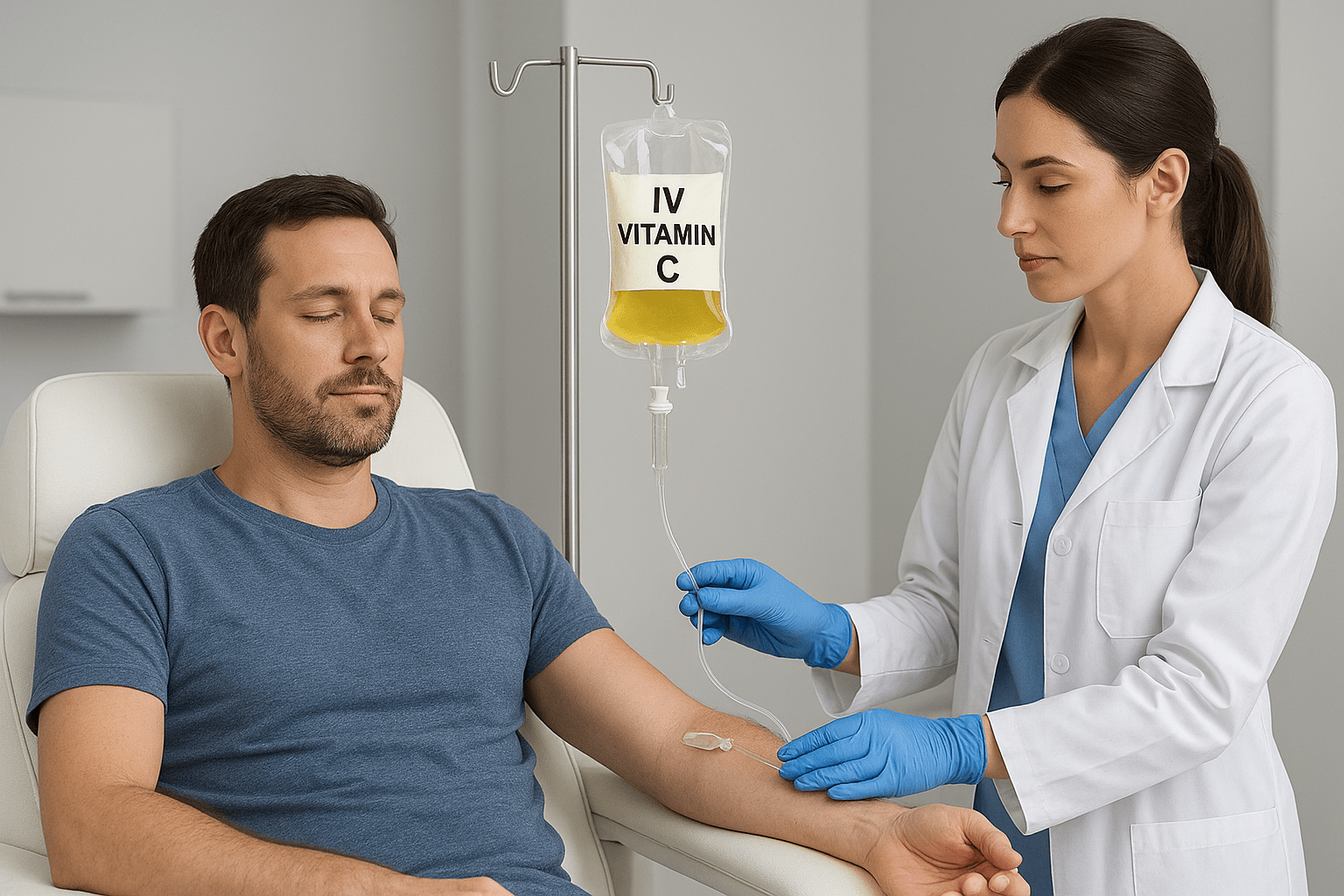
Under professional supervision, I also received vitamin C IV infusions. These allow for higher blood concentrations than oral supplements and can provide a strong antioxidant effect. Each session left me feeling clearer, less fatigued, and more balanced.
While I can’t definitively say the IVs were responsible for my improvement, I strongly believe they played a role in helping my body recover faster and fight inflammation more effectively.
How Fasting Helped Reduce My Inflammation
At the same time, I started practicing intermittent fasting. I had read studies suggesting fasting can regulate inflammation, lower oxidative stress, and activate autophagy—the body’s process of cleaning out damaged cells.
I followed a 16:8 fasting plan, fasting for 16 hours a day and eating within an 8-hour window. During fasting periods, I stayed hydrated with water and herbal teas.
Fasting made me feel lighter, less bloated, and more energized. It also helped me become more mindful about what I ate during my eating windows, leading me to focus on nutrient-rich, anti-inflammatory foods.
The Power of Anti-Inflammatory Foods and Vegetables
Diet played a huge role in my healing process. I quickly realized that what I ate had a direct impact on how I felt—especially when it came to inflammation and energy.
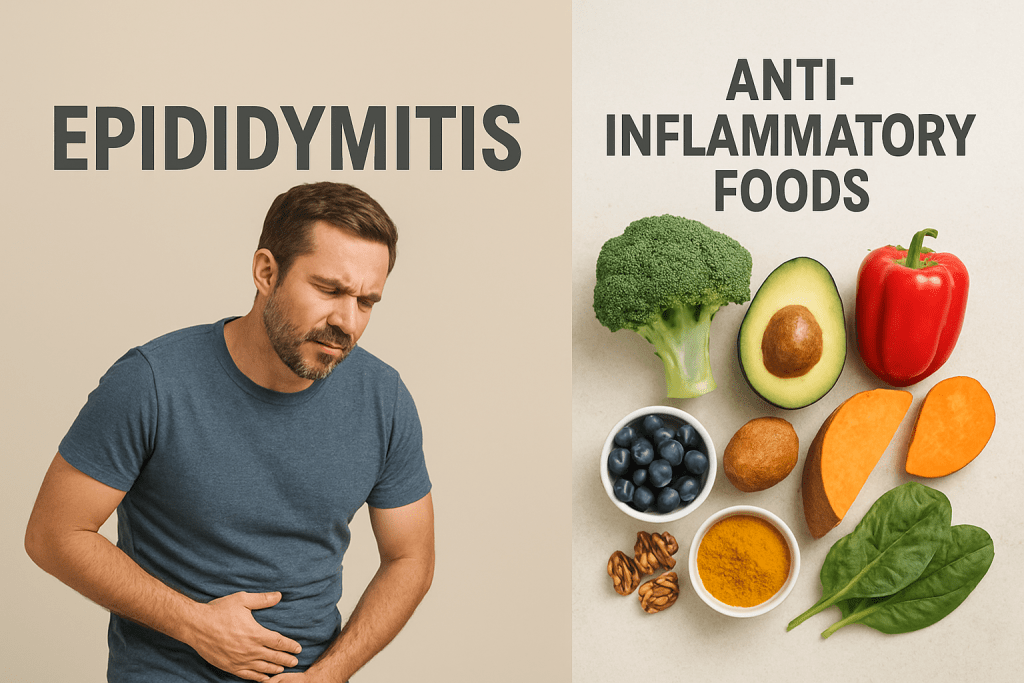
Here are some of the anti-inflammatory foods and vegetables that became staples in my recovery diet:
🥬 1. Leafy Greens
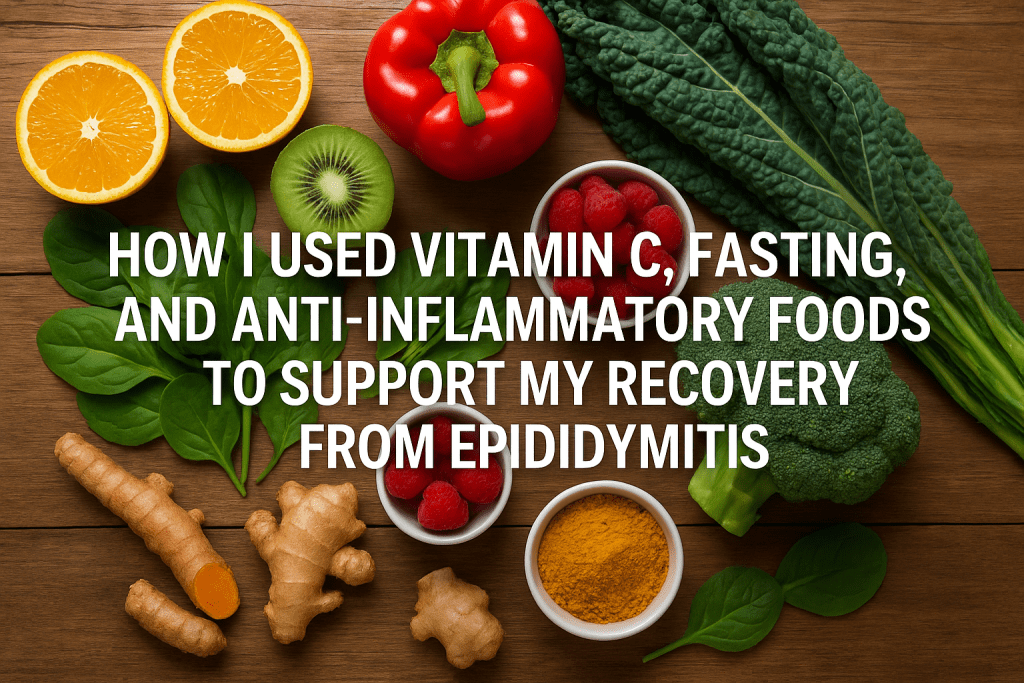
Spinach, kale, Swiss chard, and arugula are rich in antioxidants, vitamin K, and magnesium—all of which help reduce inflammation and support cellular repair.
🥦 2. Cruciferous Vegetables
Broccoli, cauliflower, Brussels sprouts, and cabbage contain sulforaphane, a compound known to support detoxification and decrease inflammatory markers in the body.
🍓 3. Berries
Blueberries, strawberries, and blackberries are packed with polyphenols and anthocyanins that protect against oxidative stress and support immune health.
🌿 4. Turmeric and Ginger
I added fresh turmeric root and ginger tea to my daily routine. Both have natural anti-inflammatory and pain-relieving properties, largely due to compounds like curcumin and gingerol.
🧄 5. Garlic and Onions
These contain sulfur compounds that boost immune response and lower inflammation levels. I incorporated them into soups, stir-fries, and broths.
🐟 6. Omega-3 Fatty Acids
I focused on foods high in omega-3s—like wild-caught salmon, chia seeds, and flaxseed oil—to balance inflammatory processes in the body.
🍵 7. Green Tea
As my go-to drink, green tea provided gentle energy and powerful antioxidants, helping my body fight free radicals during recovery.
🥣 8. Probiotic-Rich Foods
Fermented foods like kefir, kimchi, and sauerkraut helped restore gut balance, which plays a major role in reducing systemic inflammation.
Eating this way not only supported my healing—it completely changed my relationship with food. Within weeks, I felt stronger, clearer, and calmer.
My Holistic Recovery Routine
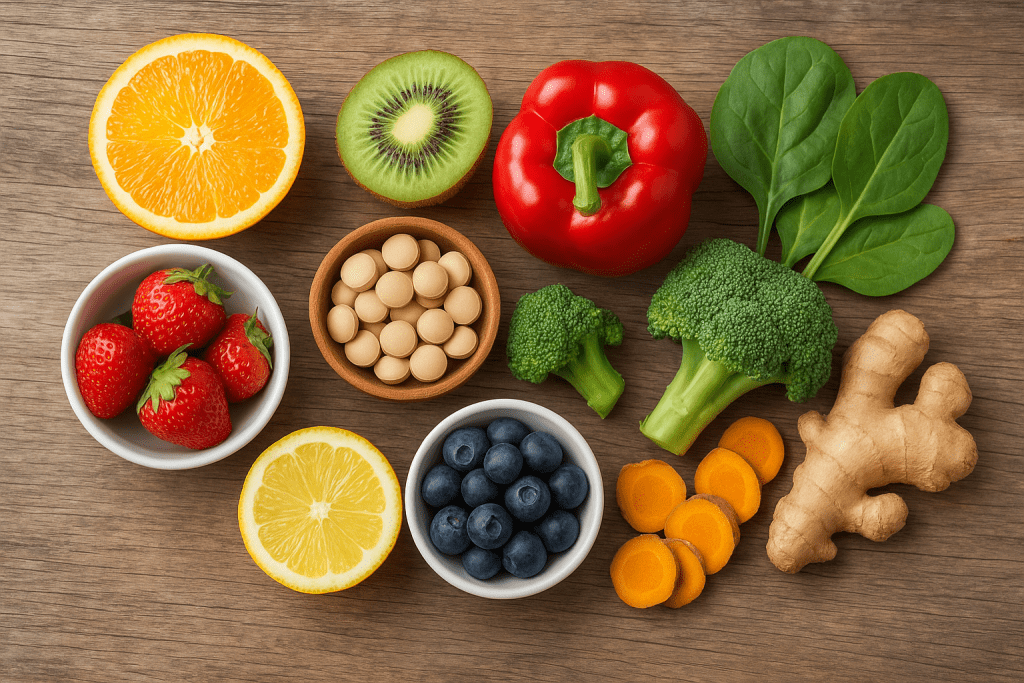
By combining medical treatment, vitamin C therapy, fasting, and anti-inflammatory nutrition, I developed a healing plan that worked in harmony with my body. Here’s what my daily routine looked like:
- Medical Guidance: Regular check-ins with my healthcare provider to ensure infection was resolving.
- Vitamin C Support: Liposomal vitamin C daily, plus periodic IV infusions.
- Intermittent Fasting: 16 hours fasting, 8-hour eating window.
- Hydration: At least 3 liters of water daily, plus green tea and herbal infusions.
- Anti-Inflammatory Diet: Meals centered on vegetables, berries, herbs, and omega-rich foods.
- Mind-Body Balance: Gentle yoga, stretching, and meditation to reduce stress hormones.
This approach helped me regain energy, reduce inflammation, and support my immune system in a natural, sustainable way.
What I Learned from My Experience
The biggest lesson from my recovery was that healing is not just about treating symptoms—it’s about supporting the body as a whole. Vitamin C and fasting were powerful tools, but the real key was combining them with an anti-inflammatory diet and consistent self-care.
Epididymitis taught me to slow down, listen to my body, and make food choices that fuel healing rather than stress my system.
Final Thoughts and Disclaimer
I can’t claim that vitamin C or fasting “cured” my epididymitis, but I believe they played an important supportive role in my recovery. Everyone’s body is different, and medical guidance is essential—especially for infections that may require antibiotics.
That said, combining professional care with proper nutrition, hydration, and vitamin support can make a meaningful difference in overall wellness and inflammation management.