
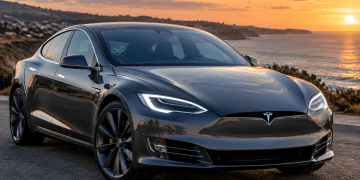



The rise of electric vehicles (EVs) has been nothing short of revolutionary in the transportation industry. With their increasing popularity and advancements in technology, EVs are disrupting the traditional oil industry and challenging the dominance of fossil fuels. This article will explore the impact of EVs on the oil industry, including how they are already displacing millions of barrels of oil daily, their growing popularity and impact on oil consumption, the benefits of EVs for the environment and energy security, the role of government policies in promoting EV adoption, the future of EVs and potential developments in technology, the challenges facing the EV industry and how to overcome them, the role of EVs in reducing greenhouse gas emissions and fighting climate change, the economic implications of EV adoption for oil-producing countries, and the potential for EVs to revolutionize not only the transportation industry but also other industries.

The Rise of Electric Vehicles: A Game-Changer for the Oil Industry
Electric vehicles are disrupting the traditional oil industry by challenging its dominance as the primary source of fuel for transportation. With advancements in battery technology and increased investment in charging infrastructure, EVs are becoming more accessible and appealing to consumers. This shift towards electric mobility poses a significant threat to the oil industry, as it reduces demand for gasoline and diesel fuels.
The long-term effects on the oil industry are still uncertain, but it is clear that EVs have the potential to significantly reduce oil consumption. According to a report by Bloomberg New Energy Finance, electric vehicles could displace 8 million barrels of oil per day by 2040. This displacement would have a profound impact on global oil markets, leading to lower prices and reduced revenues for oil-producing countries.
How EVs are Already Displacing Millions of Barrels of Oil Daily
Electric vehicles are already displacing millions of barrels of oil daily through their increasing adoption and usage. According to the International Energy Agency (IEA), the number of electric cars on the road surpassed 5 million in 2018, and this number is expected to reach 130 million by 2030. As more EVs are being driven, the demand for gasoline and diesel fuels is decreasing.
Furthermore, the displacement of oil by EVs is not limited to passenger cars. Electric buses and trucks are also gaining popularity, especially in urban areas where air pollution and noise levels are major concerns. The adoption of electric buses and trucks can have a significant impact on oil consumption, as these vehicles typically consume more fuel than passenger cars.
The Growing Popularity of EVs and Their Impact on Oil Consumption
The growing popularity of electric vehicles among consumers is a key factor in the displacement of oil. There are several reasons why consumers are increasingly choosing EVs over traditional internal combustion engine (ICE) vehicles. Firstly, EVs offer lower operating costs, as electricity is generally cheaper than gasoline or diesel fuel. Additionally, EVs have lower maintenance costs due to fewer moving parts and less wear and tear on the engine.
Another factor driving the popularity of EVs is their environmental benefits. Electric vehicles produce zero tailpipe emissions, reducing air pollution and improving air quality in urban areas. This is particularly important as cities around the world are grappling with high levels of air pollution and its associated health risks.
The impact of EVs on oil consumption can already be seen in countries with high EV adoption rates. For example, Norway has one of the highest rates of EV ownership in the world, with electric vehicles accounting for over 50% of new car sales in 2020. As a result, Norway has significantly reduced its oil consumption for transportation purposes.
The Benefits of EVs for the Environment and Energy Security
One of the most significant benefits of electric vehicles is their positive impact on the environment. Unlike internal combustion engine vehicles, which emit greenhouse gases and contribute to climate change, EVs produce zero tailpipe emissions. This reduction in emissions can help mitigate the effects of climate change and improve air quality in urban areas.
In addition to their environmental benefits, EVs also contribute to energy security. As EVs rely on electricity as their primary source of energy, they can help reduce dependence on imported oil. This is particularly important for countries that rely heavily on oil imports and are vulnerable to fluctuations in oil prices and geopolitical tensions.
Furthermore, the use of renewable energy sources to charge EVs can further enhance their environmental benefits and contribute to a more sustainable energy system. By integrating EV charging infrastructure with renewable energy generation, it is possible to create a cleaner and more resilient energy grid.
The Role of Government Policies in Promoting EV Adoption

Government policies play a crucial role in promoting the adoption of electric vehicles. By implementing supportive policies, governments can incentivize consumers to choose EVs over traditional ICE vehicles. These policies can include financial incentives such as tax credits or rebates, grants for charging infrastructure development, and regulations that require a certain percentage of vehicle sales to be electric.
Successful government policies have been implemented in countries such as Norway, the Netherlands, and China, which have seen significant increases in EV adoption rates. In Norway, for example, EVs are exempt from purchase taxes and tolls, have access to bus lanes, and benefit from free parking and charging infrastructure. These incentives have made EVs more attractive to consumers and have contributed to Norway’s high rate of EV ownership.
The Future of EVs: What to Expect in the Coming Years
The future of electric vehicles looks promising, with ongoing advancements in technology and increasing investment in charging infrastructure. One of the key developments expected in the coming years is the improvement of battery technology. This includes increasing the energy density of batteries, reducing their cost, and improving their charging speed.
These advancements will enable electric vehicles to have longer driving ranges, shorter charging times, and lower costs, making them even more appealing to consumers. Additionally, the development of solid-state batteries could revolutionize the EV industry by offering even higher energy densities and faster charging times.
Another potential development in the future of EVs is the integration of vehicle-to-grid (V2G) technology. V2G technology allows electric vehicles to not only consume electricity but also feed it back into the grid when needed. This can help balance the electricity grid, especially during peak demand periods, and increase the overall efficiency of the energy system.
The Challenges Facing the EV Industry and How to Overcome Them
While the future of electric vehicles looks promising, there are still several challenges that need to be addressed. One of the main challenges is the limited availability of charging infrastructure. In order for EVs to become mainstream, there needs to be a widespread network of charging stations that are easily accessible to consumers. This requires significant investment in infrastructure development and coordination between different stakeholders.
Another challenge is the limited driving range of electric vehicles compared to traditional ICE vehicles. Although battery technology is improving, EVs still have a shorter range and longer refueling time compared to gasoline or diesel vehicles. This can be a barrier for consumers who rely on their vehicles for long-distance travel or who do not have access to convenient charging options.
Furthermore, the upfront cost of electric vehicles is still higher than that of traditional ICE vehicles. While the cost of batteries has been decreasing over the years, it is still a significant factor in the overall cost of an electric vehicle. However, as economies of scale are achieved and battery technology continues to improve, it is expected that the cost of EVs will become more competitive with ICE vehicles.
To overcome these challenges, collaboration between governments, automakers, and other stakeholders is crucial. Governments can provide financial incentives for infrastructure development and research and development in battery technology. Automakers can continue to invest in research and development to improve the performance and affordability of electric vehicles. Additionally, collaboration between different stakeholders can help streamline the charging infrastructure deployment process and ensure interoperability between different charging networks.
The Role of EVs in Reducing Greenhouse Gas Emissions and Fighting Climate Change
Electric vehicles play a crucial role in reducing greenhouse gas emissions and fighting climate change. As transportation is one of the largest sources of greenhouse gas emissions, transitioning to electric mobility can have a significant impact on reducing emissions.
By replacing internal combustion engine vehicles with electric vehicles, it is possible to eliminate tailpipe emissions, which are a major contributor to air pollution and climate change. Additionally, the use of renewable energy sources to charge EVs can further reduce emissions and create a more sustainable energy system.
According to a study by the Union of Concerned Scientists, electric vehicles produce less than half the emissions of comparable gasoline-powered vehicles over their lifetime, even when accounting for the emissions associated with electricity generation. This reduction in emissions can help countries meet their climate targets and mitigate the effects of climate change.
The Economic Implications of EV Adoption for Oil-Producing Countries
The adoption of electric vehicles has significant economic implications for oil-producing countries. As EVs displace oil consumption, the demand for oil decreases, leading to lower prices and reduced revenues for oil-producing countries. This can have a profound impact on their economies, as many oil-producing countries rely heavily on oil exports for revenue.
To mitigate the economic impact of EV adoption, oil-producing countries need to diversify their economies and reduce their dependence on oil. This can be achieved by investing in other sectors such as renewable energy, manufacturing, and tourism. Additionally, these countries can leverage their existing infrastructure and expertise in the oil industry to transition towards a more sustainable energy system.
The Potential of EVs to Revolutionize the Transportation Industry and Beyond
Electric vehicles have the potential to revolutionize not only the transportation industry but also other industries. The adoption of electric mobility can lead to a shift towards a more sustainable and efficient transportation system. This includes the integration of electric vehicles with public transportation systems, the development of autonomous and shared mobility services, and the electrification of other modes of transportation such as bicycles and scooters.
Furthermore, the electrification of transportation can have a ripple effect on other industries. For example, the demand for lithium-ion batteries used in electric vehicles is expected to increase significantly in the coming years. This can drive innovation and investment in battery manufacturing, creating new job opportunities and economic growth.
The rise of electric vehicles is disrupting the traditional oil industry and challenging the dominance of fossil fuels in the transportation sector. With their increasing popularity and advancements in technology, EVs are already displacing millions of barrels of oil daily and reducing oil consumption. The benefits of EVs for the environment and energy security are significant, and government policies play a crucial role in promoting their adoption.
While there are challenges facing the EV industry, ongoing advancements in technology and increasing investment in charging infrastructure are expected to overcome these challenges. The future of electric vehicles looks promising, with potential developments in battery technology, vehicle-to-grid integration, and the electrification of other modes of transportation.
The adoption of electric vehicles has significant economic implications for oil-producing countries, which need to diversify their economies to mitigate the impact. Furthermore, electric vehicles have the potential to revolutionize not only the transportation industry but also other industries, driving innovation and creating new job opportunities. Overall, electric vehicles have the potential to transform the way we travel and contribute to a more sustainable future.